Our clients work with Corporations, Non-Profit’s, Schools and Independent Businesses to support their purpose driven goals through speaking engagements, brand ambassadorships, Seminars and more.
Our partnerships are forged in authenticity and infused with passion and purpose.


Athletes, executives, actors, entrepreneurs, scientists, experts, do-gooders and more. Most importantly, they’re people who want to help others – and they do that, authentically & effectively. Some have lived inspiring journeys begging to be shared while others just have an innate ability to cut through the clutter to connect, inspire and motivate others.
Their stories captivate audiences with real life relatable experiences filled with promise, struggles, sometimes heartbreak and ultimately success. You’ll learn that it’s not magic that saw them through, but perseverance, knowledge, intuition and desire. And each has their own secret formula they’re eager to share. That may be what they’ve learned about their craft, themselves or life in general. They offer this through private and public live and virtual events, as well as broadcast, streaming and social media. They’re here to share for the common good.
Relevant opportunities include keynote speaking, brand ambassadorship, sponsored segments and/or events, sponsored posts, advertising campaigns, event host/emcee, TikTok, IG or FB lives, reels and posts, interviews for print, on-air and digital media.
Wisdom Collective, LLC specializes in branding, monetizing and managing thought leaders, holistic practitioners and change makers who promote well being, authenticity and/or social good for individuals, our planet, and the collective.
Our talent shares their expertise on a variety of topics including whole body wellness, peak performance, mindset, mental health, sustainability, LGBTQ+ issues, addiction, science, spirituality, social interaction, physics, leadership, design and more.
Our clients come to us with accomplished passion. They come from a variety of different professional lives but they do have one thing in common: they’re helpers. So the short answer to what we do is; We help the helpers.
Exactly how we do that depends on the individual, their goals and the current path they’re on. Primarily we focus on aligning these do-gooders with their authentic selves via branding. From there we scrutinize any and all opportunities for monetization to ensure they are on brand and have serious potential for impact. And quite often we create new avenues to turn purpose driven passion into a sustainable living. It may be as simple as implementing a revamped strategy or as complex as building a brand new brick and mortar business.
We believe happy, helpful people are contagious and want to spread their wisdom for the greater good of the collective.
We work with our clients on a percentage fee basis to conceptualize, strategize, monetize and manage opportunities.
If you’re passionately purpose driven, contact us. We want to help elevate your brand and connect you with opportunities that are meaningful.
Check out our current roster of clients…
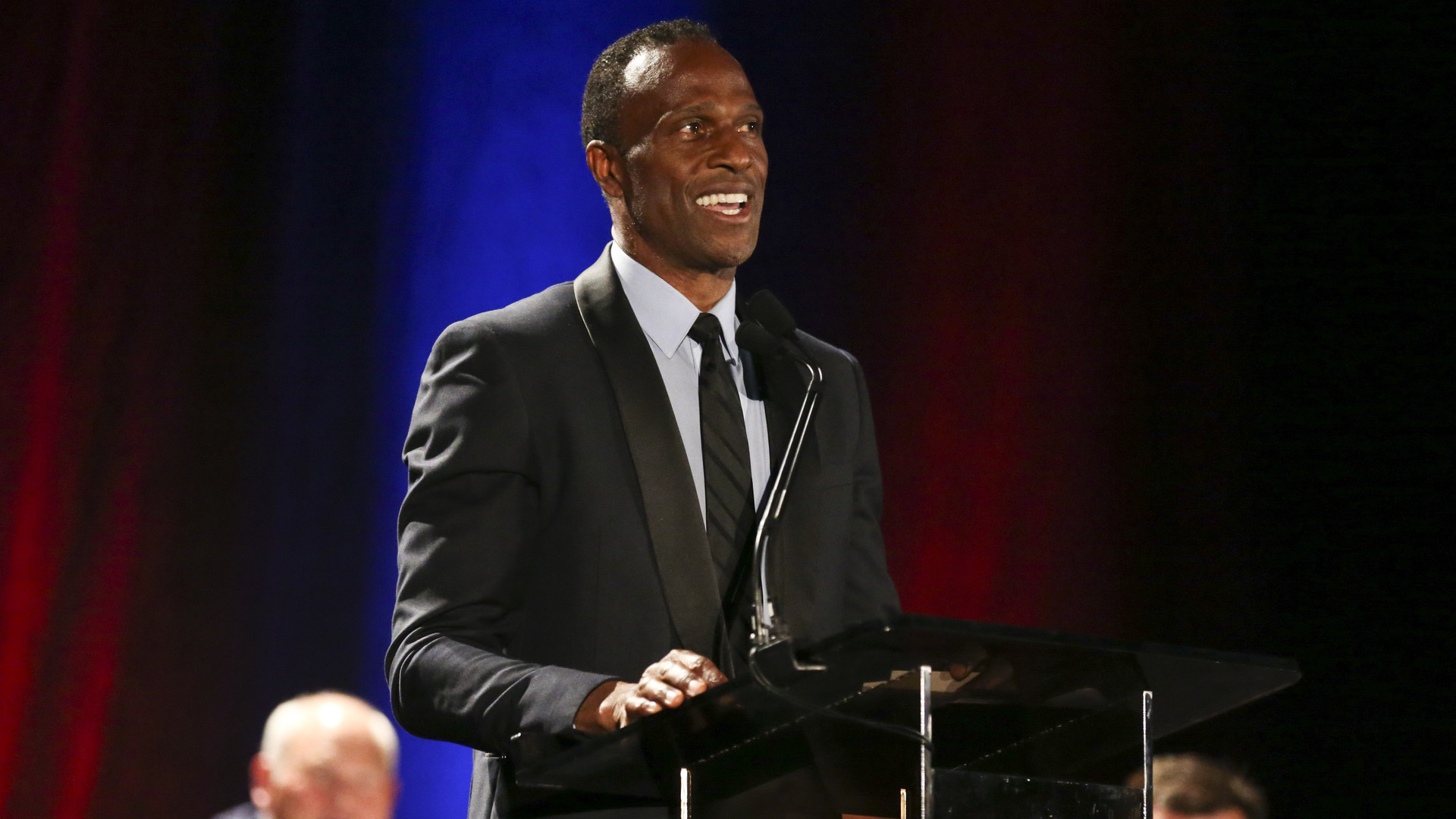
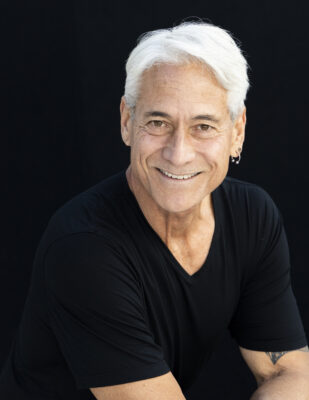 Notable: 5x Olympic Medalist(4 Gold, 1 Silver), NY Times Best Selling Author, Tedx Talk, USA Diving Athlete Mentor, AKC and USDAA Award Winning Handler, Certified Yogi, Samoan High Chief/Elder
Location: Los Angeles, CA
Topics: Peak Performance, Health & Wellness, Mental Health, Addiction/Substance Abuse, Adoption/Foster Care, LQBTQ+, HIV/AIDS, Team Building, Climate Change & Sustainability, Dog Wellness & Training, Human Rights, AAPI/Pacific Islander, Dyslexia/Learning Differences, Inclusivity
Website: https://greglouganis.com/
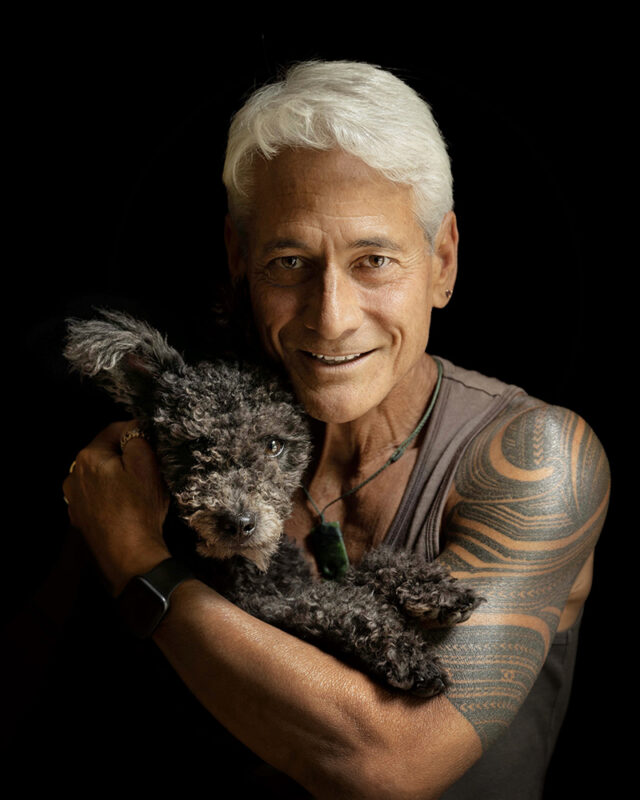
Bio: Considered the greatest diver in history, Greg Louganis is the only male to win gold medals on both 3 meter springboard and 10 meter platform in consecutive Olympic Games (1984, 1988). A trained actor, dancer, model and spokesman, Greg’s wide repertoire of skills keeps him in demand and in the public eye. As the undisputed GOAT of mindset, Greg shares his knowledge and wisdom through his meditation and mindfulness course, as well as through his books, interviews and speaking engagements. With a total of 5 Olympic medals, 5 World Championship titles and 47 national titles, more than any person in U.S. history, his records remain unbroken. Today, as a coach, speaker, author, actor, activist and humanitarian he continues his tradition of excellence. Greg has authored 2 books. Breaking The Surface is his autobiography as well as a NY Times Bestseller, and For The Life Of Your Dog is a dog owner’s manual based on Greg’s decades of being a dog dad, trainer and handler.
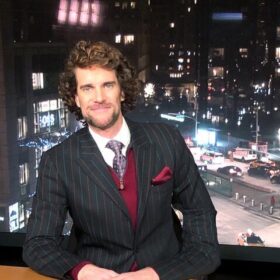 Notable: Frequently appears on and is quoted in Inside Edition, Home & Family, CNN, The Today Show, NBC, the Cooking Channel, Food Network, Cheddar, New York Times, The Los Angeles Times, USA Today, Money magazine, Wired, New York magazine, MarketWatch, Real Simple, Bustle, Moneyish and more.
Location: New York, NY
Topics: Manners, Etiquette, Business Relationships, Customer Service, Sales, Team Building
Website: https://mister-manners.com/
Bio:
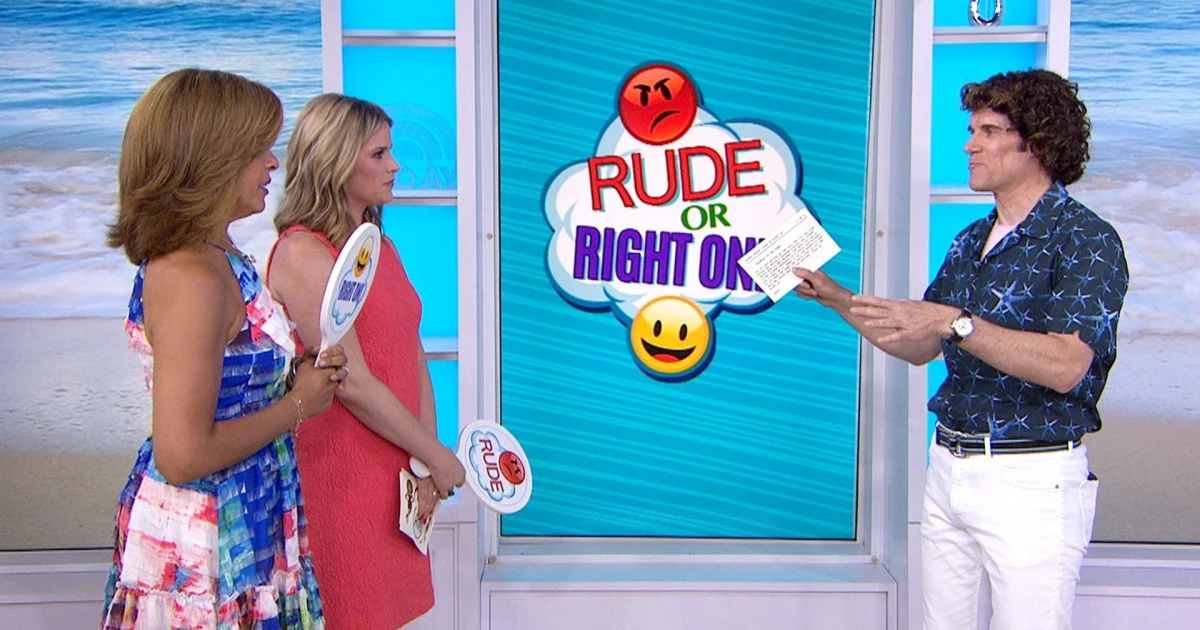
Having first come to public attention as the “Social Graces” editor for Town & Country magazine, where he served from 2000-2008, Thomas P. Farley has gone on to become America’s trusted etiquette expert, appearing regularly on the NBC Today show, where he provides viewers with essential advice on issues of everyday manners.
Thomas is quoted in print and online outlets on a weekly basis; often in several different publications in any given week. Among the countless places his advice has appeared include the New York Times, the Los Angeles Times, USA Today, Money magazine, Wired, New York magazine, MarketWatch, Real Simple, Bustle and Moneyish.
He also appears a range of other networks, including CNN, the Cooking Channel, the Food Network, Cheddar and on local news affiliates around the United States. Other programs that consistently seek his advice include Inside Edition, Home & Family, Rachael Ray and Dr. Oz.
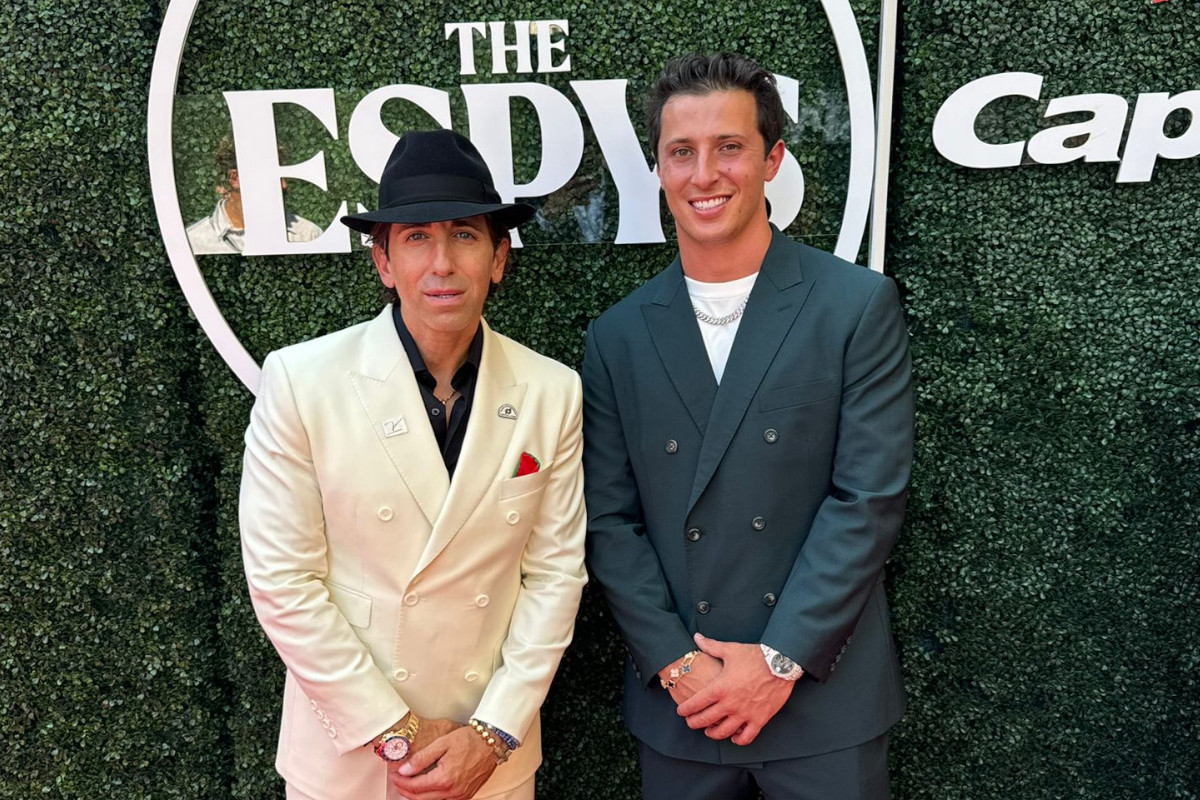
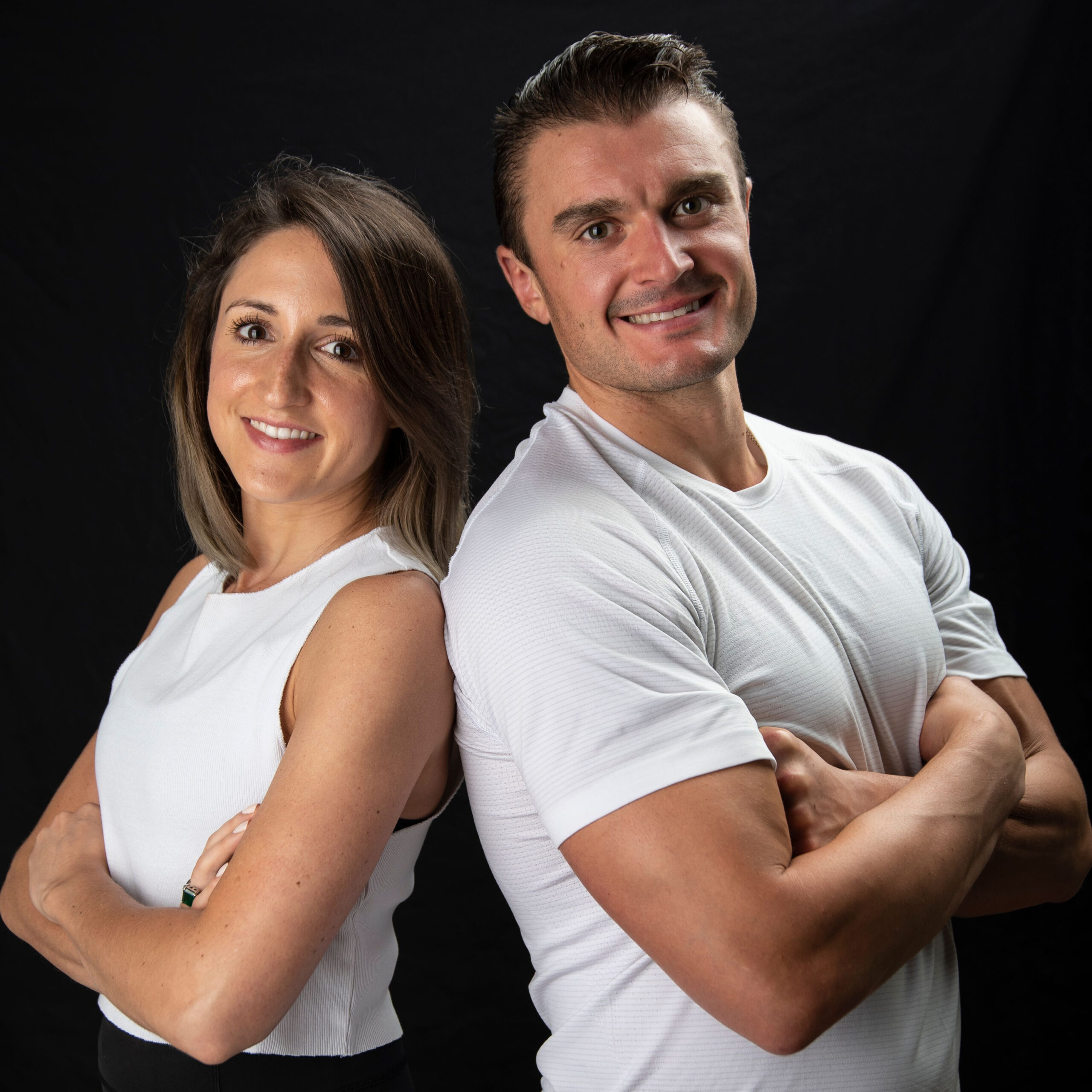
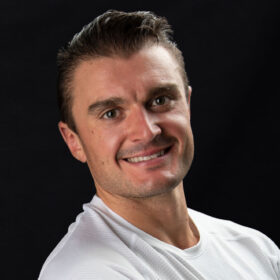 Notable: Co-Founder of Own It Coaching, Fitness Coach & Biohacking Expert, Health & Wellness Trailblazer, TEDx Speaker, 3x Best Selling Author, Ex NHL Performance Director
Location: Miami, FL
Topics: Health, Customized/Personal Health, DNA/Epigenetics, Leadership, Burnout, Sleep, Peak Performance, Entrepreneurship, Corporate Wellness, Motivation, Aspiration, Coaches in Sport, Professional Sports
Website: https://justinroethlingshoefer.com/
Bio: Justin Roethlingshoefer is a former NHL and NCAA Performance Coach who is now a leading expert on biohacking and performance. He centers his performance-enhancing programs on a holistically integrated approach to health and performance. His core philosophy is that performance is realized when health is optimized and we cannot separate physical, emotional, mental, and spiritual health. He is the co-founder of Own It Coaching, a multiple seven-figure coaching company that applies this health and performance philosophy to clients ranging from NHL stars, to Fortune 500 executives, to entrepreneurs looking to take that next step and level up. He’s also the creator of the Own It App, which provides simple data collection, meaningful insights, and personalized plans to help users OWN their habits and improve recovery, health, and performance. Justin has spoken at dozens of events, including the TEDx stage. He’s the host of the Sports Science and Recovery Podcast and The Own It Show. Additionally, Justin is the author of three books (Amazon bestsellers), including Intent: A Practical Approach to Applied Sports Science for Athletic Development and Own It. Whether in his coaching, writing, or speaking, Justin is well-regarded for his ability to take complex scientific topics and distill them into practical, applicable action steps. He has a rare combination of the ability to understand the science of sports performance, sleep, and recovery on a deep level, while being able to translate and distill the complex topics into a form others can actually use.
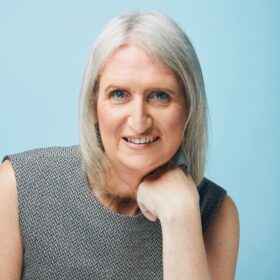
Notable: Founder of Novalia, which, among other things, develops interactive paper surfaces that connect to Alexa.
Location: Los Angeles, CA
Topics: Leadership, Entrepreneurship/Being A Founder, Women’s Leadership & Entrepreneurship, Creativity in Business, Diversity, Problem Solving, Science/Technology
Website: https://www.drkatestone.com/
Bio:
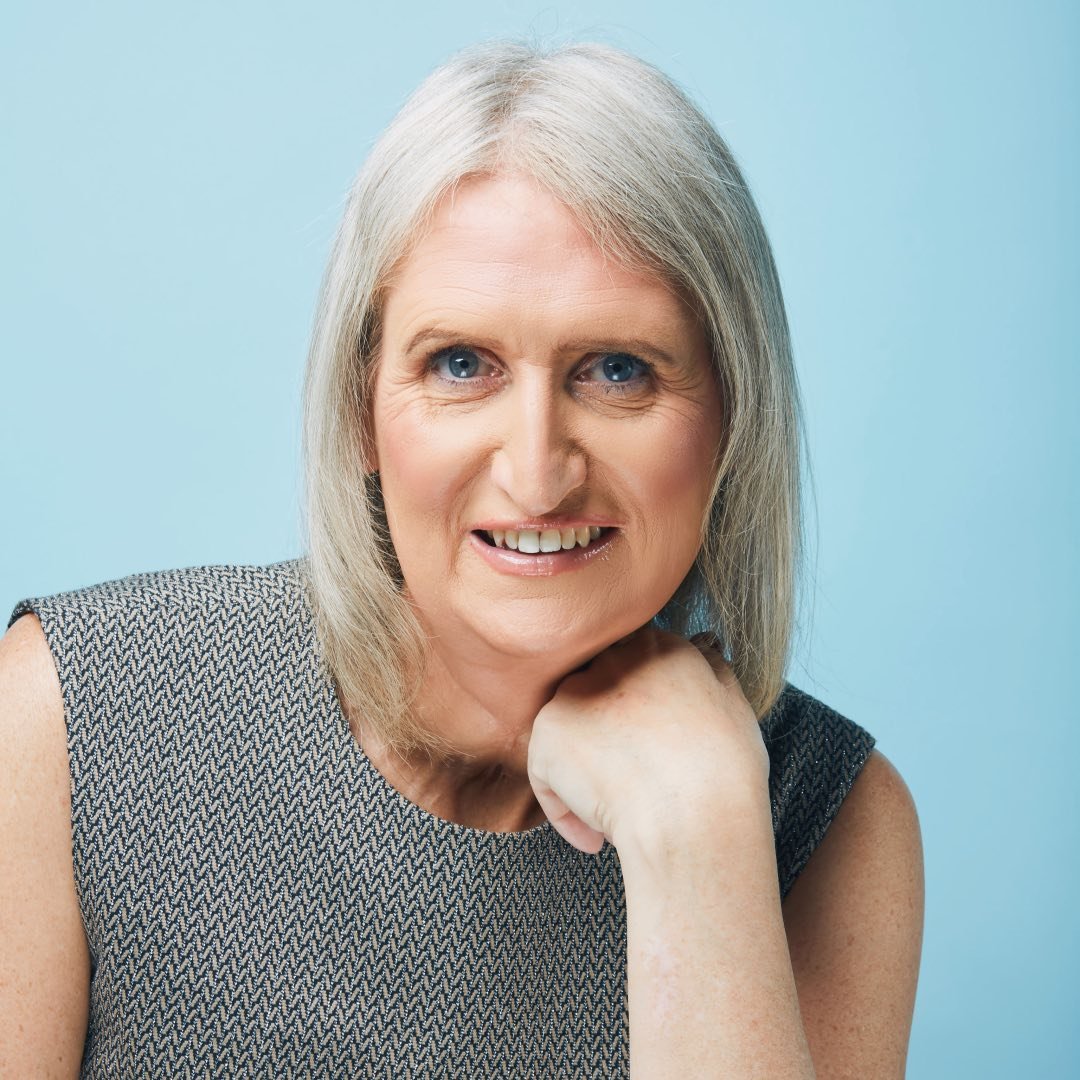
Dr. Kate is a British physicist/tech founder living in Los Angeles. She describes herself as a creative scientist who has studied electronics and physics, but whose true skill is creativity. Inspired by a grandmother who told her to ‘cut your coat from the cloth at hand’, lead her to creatively use whatever was around to solve problems.
Born in Cheshire, UK, Kate grew up in England, Wales, Oman and Brunei. Her father was an engineer who worked in the oil industry. After failing high school she travelled to Australia with just a few dollars in her pocket, and found work in factories and farms.
She found her way back home and managed to get into Salford University in the UK to study electronics and ended up completing a PhD in physics at Cambridge University.
Dr. Kate founded a company called Novalia, which creates posters and other everyday objects that embody the magic of interactivity and connectivity. Such as posters that talk, books that turn in to pianos and walls that play music.
She sits on the Editors Code of Practice Committee helping keep an eye on the UK press. Kate is former Chair of the Executive Board of the MIDI Manufactures Association and is presently the Chair of the Trustees of Just Bee, a charity in Dundee, Scotland that helps the vulnerable.
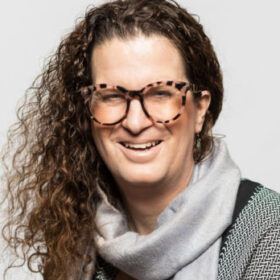
Notable: Architect, Athlete, Author and Founder of The Inclusion Design Foundation
Location: Ontario, Canada
Topics: Inclusive Design, Diversity, Problem Solving, Architecture, Gender Identity
Website: Coming Soon
Bio:
The Worley Principles encourage companies and their directors and officers to become better stewards of their industry, by harnessing and harmonizing the enormity of our human diversity. Agency change in human behaviour helps us become better leaders. These principles reimagine the impact of our brand and industry on individual lives, enabling cities and communities to thrive worldwide.
Kristen shares how reimagining your business model through the design lens can create an integrated, resilient and sustainable business ecosystem, which celebrates diversity and seeks to leave no one behind.
Kristen Worley is a leading human-centered designer in the field of architecture, who has combined her lived and industry experiences to elevate and influence industries and policymakers through collaborative engagement and learning, on how we think about diversity while ensuring integrated industry best practice and guidelines through every business touch point.
She’s been at the forefront internationally for more than two decades, as a global pollinator sharing her knowledge and experience working as a designer, educator and adviser to help guide and synthesize individual corporations from their brand development, workplace ecosystem, built environment, product development and innovation, supply chain due diligence and the connection to community, as they are intrinsically connected as a circular relationship.
She’s since founded The Inclusion Design Foundation, sharing a vision of an inclusive world. The design of the foundation is prefaced on the history of architecture, and its influence and impact on all persons within cities and communities seen through the design lens of ‘accommodation’, and the consequential impact and limitations design decisions can have on individual lives and broader social disconnection.
The Foundation, by utilizing the UN Guiding Principles (UNGPs), helps to create a starting point to reimagine and collaborate to remove diversity and inclusion barriers and the labels created historically over time based on centuries of industry and social development that is being tasked to answer 21st century issues it was never designed to do, creating human and environmental harm either in the workplace or community.
The UNGPs provide a framework for an industry pivot, from a place of ‘accommodation’ to an ‘integrated’ approach to occur, allowing for all persons and voices to be heard. Through the lens of human centred design, companies are encouraged to relook at their business model, creating a ‘whole society approach’ which brings together collaborative expertise and knowledge sharing, developing innovative insights, toolsets and guides to filling critical knowledge gaps within their company and industry and the broader ecosystem, aimed at elevating individuals lives and communities.
Worley shines a spotlight on the need for policies to be backed by evidence, research and integrated framework, on the role and power of diversity and inclusion at every decision point.
She’ll challenge your assumptions, as industries are being tasked more and more to be socially integrated and being more environmentally resilient and sustainable, while consumers and governments are demanding businesses to become more responsible and influential through their networks.
She’s now speaking in Canada and globally to share her personal story and industry expertise. She’s been featured across global industries, NGOs, federal and local governments and within the architectural and design community.
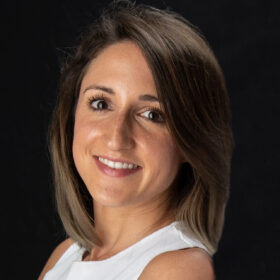
Notable: CEO of Own It, Former VP of Buying at Christian Louboutin, Conscious Leadership Expert, Certified with the Institute for Professional Excellence in Coaching (iPEC) as a Certified Professional Coach (CPC), Energy-Leadership Index Master Practitioner (ELI-MP), and COR.E Dynamics Specialist, Certified by the International Coaching Federation (ICF), and currently working on Chopra Meditation Certification.
Location: Miami, FL
Topics: Leadership, Entrepreneurship, Women’s Leadership & Entrepreneurship, Wellness, Inner Wealth, Finding Fulfillment, Women Can Have It All, Conscious Leadership, The World Needs Your Greatness
Website: https://alysegaulin.com/
Bio:
Alyse Gaulin is an entrepreneur, mentor, and sought-after conscious leadership expert whose background in the cutthroat fashion industry sharpened her skillsets to focus on what it takes for a successful team. As VP of Buying at Christian Louboutin, she created one such leadership model that quickly caught business industries’ attention; You need to awaken your growth through conscious actions in order to be a remarkable leader. Today she has been at the forefront of defining this new leadership style that is creating not only more productivity within teams but is also showing a higher employee retention satisfaction rating within companies. Alyse offers keynotes, company workshops, and private presentations. Her expertise is in discussing Leadership Archetypes, Inner Energy, Modern Complete Wellness and How To Have It All. While she offers programs for every person, female entrepreneurs and executives would benefit greatly from her years of wisdom and knowledge as an entrepreneur herself. She also gives workshops with her husband and business partner, Justin Roethlingshoefer.